Sample site: a redesign proposal for Precision 360, not their live website. The form on this page sends nothing.
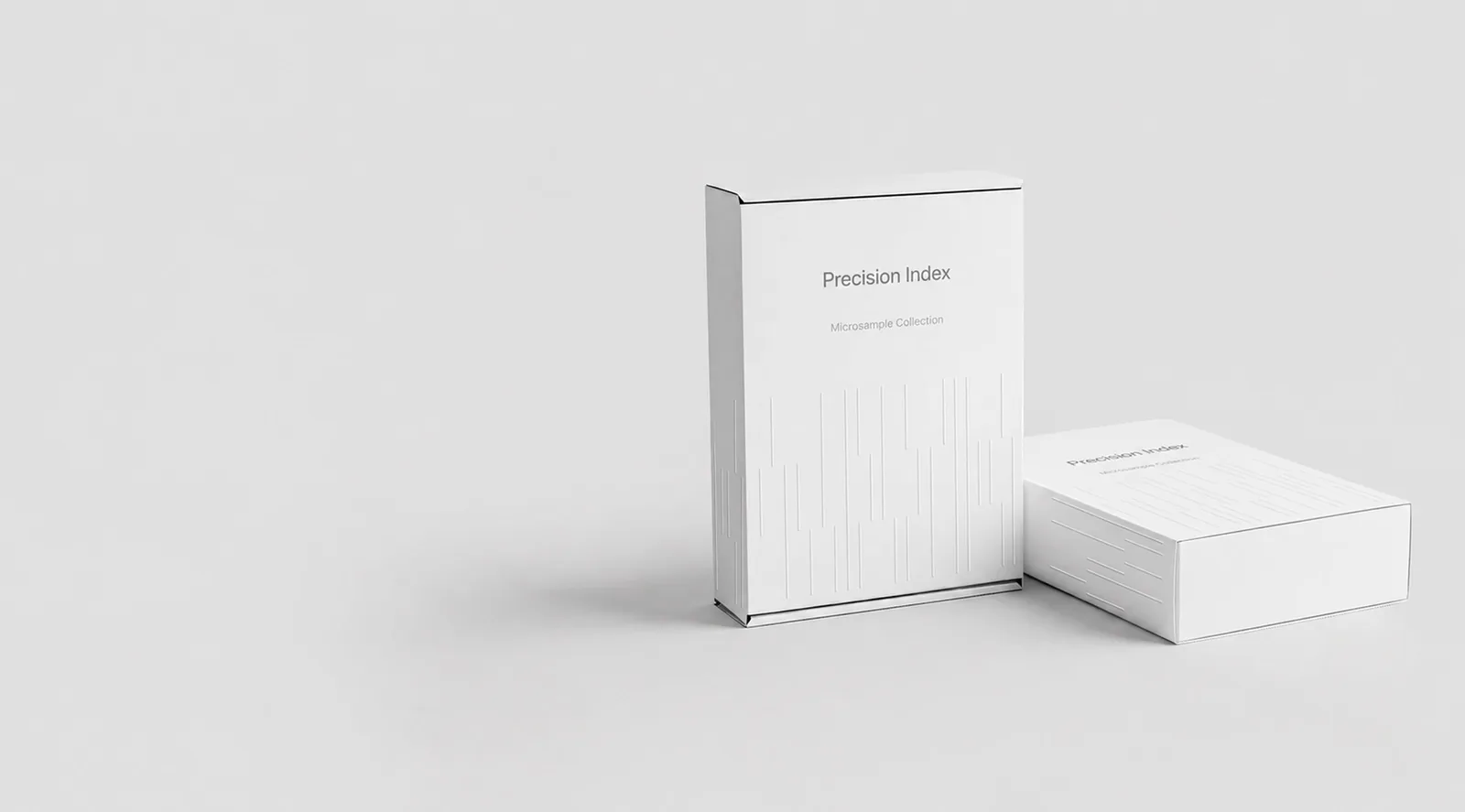
The Precision Index microsample collection kit

The cause is often in the system nobody tested.

Precision 360 takes one finger-prick sample at your clinic. One panel answers the first question. Three more tips are frozen, so your clinician can look into any of seven indices later without taking a new sample.

Available only through certified partner clinics, with laboratories in Stockholm, London and Dubai.

The architecture is the product

Standard biomarker testing finds what it is looking for. When a result isn't clear, the cause is often in a system nobody looked at, so Precision 360 keeps the sample needed to follow it there.

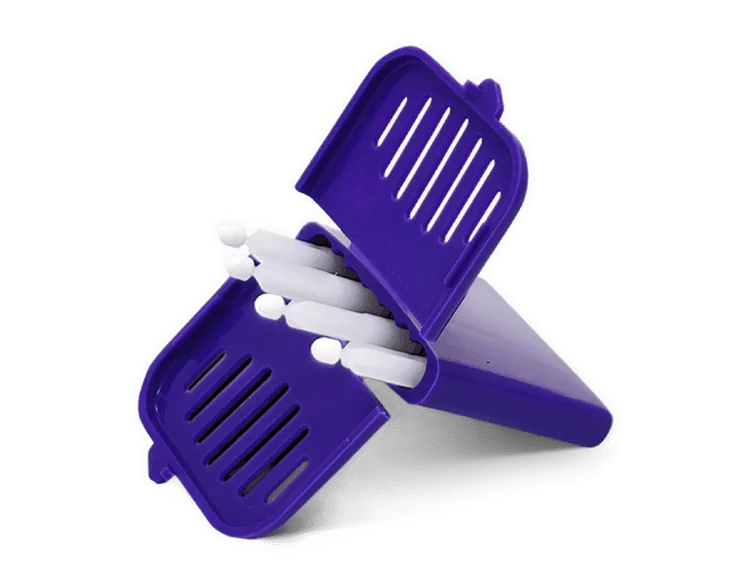
The four-tip microsampler used for a Precision 360 collection
One finger-prick fills four tips of 30 µL each. Your clinic staff collect it at a routine appointment. No phlebotomy training needed.

Tip 1: Analysed now, for the index your clinical question points to.

Tips 2 to 4: Banked at –80 °C in Stockholm, London or Dubai, ready if the first panel raises a question it can't answer.

From the banked tips, your clinician can unlock any of the seven indices without recalling the patient:

  • Fertility
  • Pregnancy
  • Organ
  • Vitality
  • Cancer
  • Metabolomics
  • Genomics

The seven indices

Each index is a curated panel designed for clinical interpretation, not research discovery. Start with the one your question points to; the others stay available from the same sample.

  • Fertility Index Conception probability

    Conception probability for the next cycle, plus the modifiable factors driving it. More than twenty molecular signals across six biological systems. Available for both partners.

  • Pregnancy Index Trimester-by-trimester

    Surveillance across preeclampsia, gestational diabetes, placental function, preterm birth risk, and the nutritional and hormonal foundations underpinning these outcomes.

  • Organ Index Nine organ systems

    Red, amber or green status across cardiovascular, neurological, hepatic, renal, immune, gastrointestinal, vascular, pancreatic and metabolic systems, surfacing stress before standard tests register damage.

  • Vitality Index Two ageing clocks

    Biological age and pace of ageing, measured by two independently validated clocks, with the molecular profile that explains the reading.

  • Cancer Index Two-layer surveillance

    Tumour-associated protein signalling plus circulating tumour DNA methylation patterns. A surveillance layer alongside standard screening, not a replacement for it.

  • Metabolomics Index Mass spectrometry

    Cardiometabolic, hormonal, nutritional and elemental status, including ApoB, HbA1c, C-peptide, Cystatin C and the omega-3 index, measured directly rather than estimated.

  • Genomics Index Clinical exome, once

    Pathogenic variants, pharmacogenomics and polygenic risk from a one-time sequencing panel that refines how every other index is read, for the lifetime of the patient.

See beyond standard testing

A patient struggling to conceive

Started with Fertility Index. Unlocked: Organ Index.

Standard hormone profiling is normal. The Fertility Index gives a conception probability lower than it should be, yet the reproductive endocrinology looks fine.

From the same banked sample, the clinician unlocks the Organ Index. It finds subclinical liver stress that standard liver function tests don't show. After treatment, the stress signal resolves and conception probability moves into the expected range. No second sample.

A patient who feels unwell with normal blood work

Started with Organ Index. Unlocked: Vitality Index, then Cancer Index.

Standard panels are clear, but she is fatigued and slower than usual. The Organ Index shows two systems in amber: neurological and immune.

The Vitality Index shows biological ageing is significantly accelerated. The Cancer Index returns clear, ruling out the most concerning explanation. What emerges is a treatable inflammatory syndrome that standard pathology had missed.

Both examples are how the system is designed to work: the first panel answers the question asked, and the banked tips let the clinician follow the answer into another system.

Clinicians begin with a panel.

Each index comes with what it measures, how to read the results and when to use it in practice. Your clinic orders the panel and collects the finger-prick at a routine appointment. You receive a structured report.

Your clinic is the data controller and PrecisionIndex the data processor. Samples leave your clinic pseudonymised, and you hold the key.

Partner with us

Patients begin with a question.

Fertility, pregnancy, ageing, metabolism, cancer risk: each index starts from a question you might be asking and explains what the test looks for and what the results mean.

Precision 360 is available only through certified partner clinics, so your clinician orders it and goes through the results with you. Ask your clinic, or ask us where to find one.

Find a partner clinic

How this is delivered, and its limits

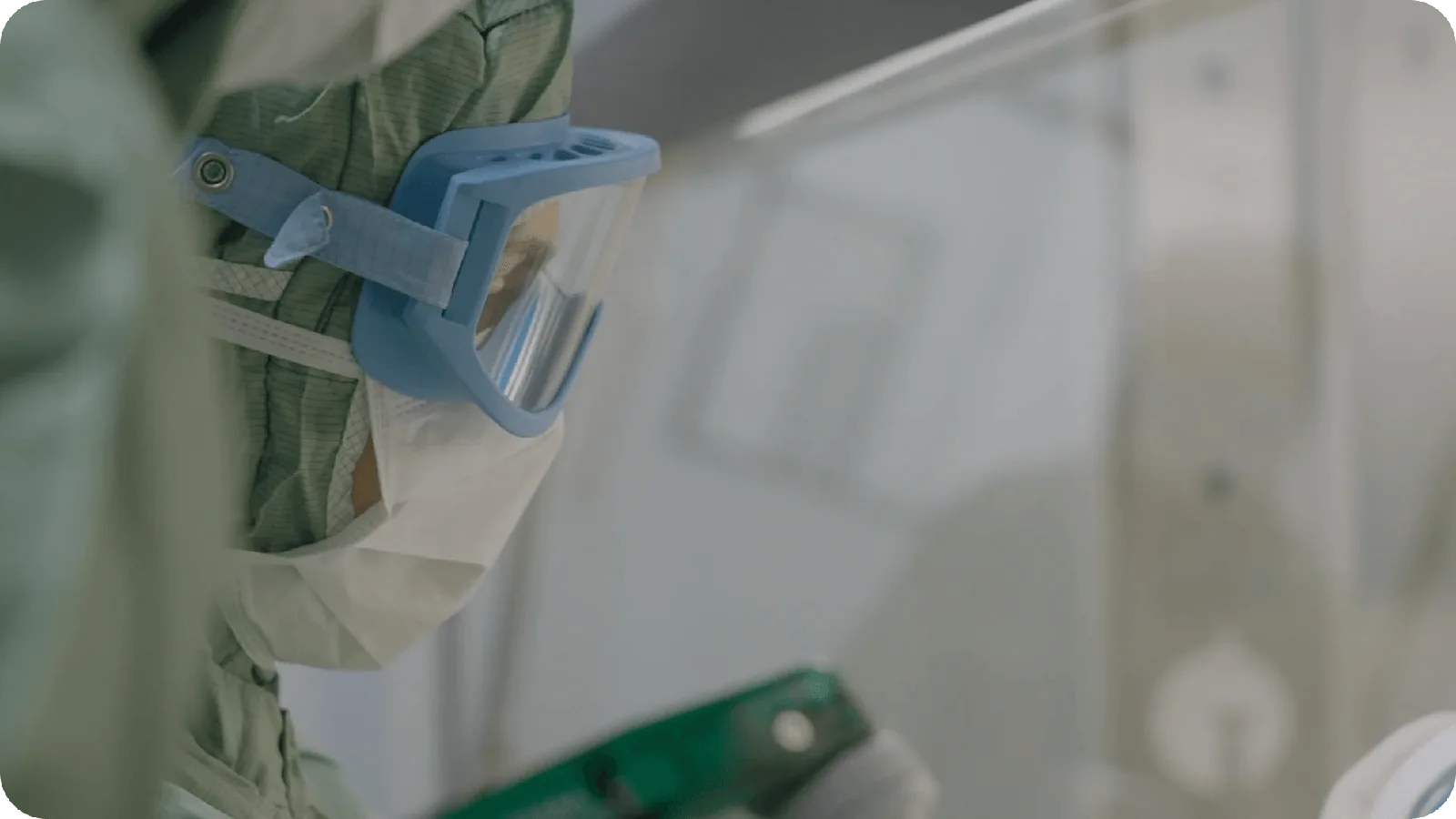
A laboratory scientist in protective clothing at the bench
Proteomics
Olink Proximity Extension Assay
Hormones and small molecules
LC-MS/MS
HbA1c
HPLC, for variant resolution
Sequencing
Illumina NovaSeq X Plus, for clinical exome and cfDNA methylation
Methylation
Illumina methylation arrays, for DunedinPACE

Validation

Every assay is validated through Karolinska Bridging Protocols, which establish clinical equivalence between the finger-prick microsample and matched venous blood. The PrecisionIndex team works with Professor Nadir Kadri, and the study runs under ethical approval at Karolinska Institutet.

The system is being clinically validated in a multi-centre study across UK, EU and UAE cohorts. Initial peer-reviewed publications are in preparation.

Regulation

Precision 360 is clinical decision support, not a diagnostic device. The clinician keeps full clinical judgement. This positioning has been confirmed with regulatory counsel under the MHRA and EU MDR/IVDR frameworks.

What a microsample can't do

Cortisol rhythm needs several timed samples, 24-hour urine collections can't be replicated, and some specialised metabolomics and rare hormone assays still need a venous tube. For those, your standard pathology pathway remains the right tool.
“Where individual indices reach validation milestones, we say so explicitly. We do not overstate this.”

From the Precision 360 Biosystem page

Request information

For clinics that want to offer Precision 360, and for patients looking for a participating clinic. Tell us who you are and where you practise or live.

Sample form: nothing is sent. This is a redesign proposal. Nothing typed here reaches anyone. To contact Precision 360 today: precisionindex.com.

Thank you. This is a preview, so nothing was sent.